Academic papers, data analysis, stadium visits. Julia Kolb’s doctoral life at HHL is anything but one-dimensional. In this blog post, she shares how her research connects theory and practice, and why women’s football has become the focus of her work. For anyone wondering what PhD life at a business school actually looks like, my experience shows how diverse and applied doctoral research can be. Want to know what that looks like in practice? Keep reading.
Between Paper and Stadium: My PhD Life at HHL
by Julia Kolb | June 05, 2026
What does everyday PhD life look like when your research takes you from academic journals to football stadiums? Julia Kolb, doctoral student at HHL, shares insights into her work at the intersection of sports, economics, and academia and why women’s football has become the focus of her research.
How Women’s Football Became the Focus of my PhD Research
Many people associate doing a PhD with endless reading and writing at a desk. That is certainly part of it for me as well – but my daily life as a doctoral researcher at HHL is far more diverse. I conduct research in a field that is currently developing rapidly and is not only socially but also economically relevant: women’s football.
My interest in sports has accompanied me for as long as I can remember and has always been an integral part of my life. Football, in particular, is very close to my heart. My sister is a professional football player for SC Freiburg and the Austrian national team, and through her I have experienced the rapid development of the sport in recent years firsthand. It was precisely this combination of growing social relevance and increasing professionalization that ultimately inspired me to look at football not only as a fan, but also from an academic perspective. Conducting a PhD in Germany also means working in an academic environment that combines research with practical relevance and strong industry connections.
PhD Life at HHL: Study Experience & Daily Life as a Doctoral Researcher
There is rarely a truly “typical” day for me. Depending on the phase of a project, I read academic papers as a foundation for my own research, build datasets, conduct analyses, or spend time writing. Of course, visiting stadiums is also part of my routine, where I exchange ideas with stakeholders in football. I also follow various media channels closely to stay up to date with the latest developments.
In addition, I supervise master’s students who are writing their theses with a focus on football. So, if you are a master’s student at HHL and interested in writing your thesis in the field of women’s football (for example on fan demand, commercialization, transfers, or investments), feel free to reach out to me!
It was precisely this combination of growing social relevance and increasing professionalization that ultimately inspired me to look at football not only as a fan, but also from an academic perspective.
Julia Kolb
My Research Topic: Sustainable Professionalization in Women’s Football
In my dissertation, I examine how women’s football can professionalize sustainably and stand on its own economically. In recent years, visibility, media reach, and interest from sponsors and investors have increased significantly. At the same time, growth does not automatically translate into profitability. Many structures are still evolving, and in numerous cases the women’s teams continue to depend on cross-subsidization from men’s football.
What fascinates me most is the gap between the high level of attention and the often still fragile economic foundations. A key realization for me was that tournaments such as the European Championship in Switzerland last year can generate enormous peaks in visibility and interest, but these do not automatically translate into strong day-to-day league demand or stable revenue models. This is exactly where research becomes practical: If we better understand which factors drive interest and fan engagement, clubs and associations can make more informed, data-driven decisions.
I approach the topic in a paper-based format through several building blocks that aim to explain how value is created in women’s football. These include:
Collaboration & Exchange with the Chair
Being supervised by Prof. Dr. Zülch and working closely with my chair is a major advantage. I truly value the combination of clear structure and academic freedom: regular feedback, short communication channels, and the opportunity to work on highly current topics such as women’s football. This close collaboration is a key element of the PhD experience at HHL, where doctoral students benefit from both academic guidance and the freedom to develop their own research focus.
For me, this is the ideal combination: conducting research in a market that is still taking shape and contributing scientific evidence to help ensure that the current growth in women’s football continues sustainably in the years to come.

Author
Julia Kolb
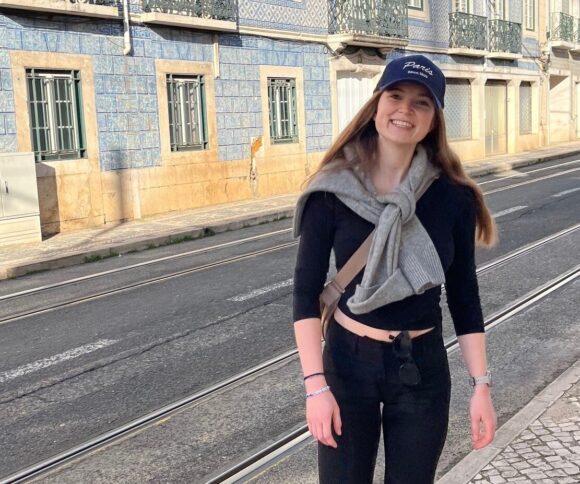
Hi, I’m Julia! I’m a PhD candidate at HHL, where I research how women’s football can grow in a way that’s not only exciting, but also economically sustainable. Sports has been part of my life for as long as I can remember, so I love combining academic work with what’s happening on and off the pitch. Before my PhD, I worked in consulting. If you’re a master’s student interested in writing a thesis on women’s football, I’d be happy to hear from you.